







Search Results for: consumer creativity
Creative Coffee R&D Guide: From Fruit Coffee to Quirky Mashups, How Cafés Can Create Hit Products That Truly Keep Customers
Creative coffee has gradually evolved from its early days as fancy coffee drinks into an important product line for brands to attract traffic. However, after conventional creative ingredients such as dairy products, fruits, and floral teas were over-exploited, some brands began using bizarre ingredients to generate话题, from saltwater duck coffee to century egg latte, with creativity gradually drifting away from the essence of the beverage. This article reviews the development trajectory and market status of creative coffee, and explores how cafes can balance creativity and taste to create hit products that are both传播力 and have repeat purchase rates, providing product development ideas for coffee practitioners. [more…]

Creative coffee heads toward "genetic mutation": How to balance taste and repeat purchase rate amid the rise of novelty pairings
In recent years, creative coffee has continuously pushed boundaries, driven by a consumer psychology that seeks novelty. From early combinations with milk, sugar, and cream, to Irish coffee-style blends of alcohol and coffee, and then to milk coffee, tea coffee, and fruit-based specialty drinks, we now even see surprising combinations like pickled vegetable Americano, tofu pudding latte, and pig trotter ginger specialty coffee. While these products can briefly capture attention, they often sacrifice the rationality of flavor pairing, leading consumers to not repurchase after trying them. This article reviews the evolution of creative coffee, analyzes the reasons and concerns behind these "genetic mutations," and explores how a good creative coffee should balance visual impact with flavor harmony, providing reference for coffee enthusiasts and practitioners. [more…]
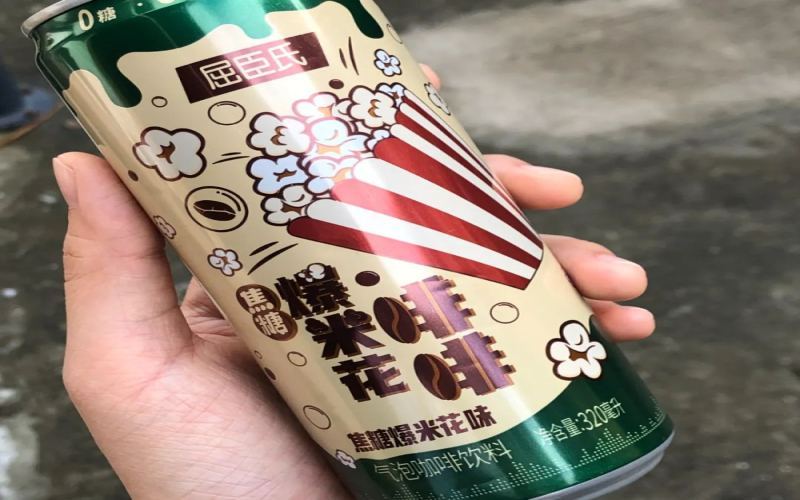
Caramel Popcorn Sparkling Coffee Review: Why Creative Coffee Flavor Pairings So Often Fail
Recently, a creative new coffee product called "Caramel Popcorn Coffee" appeared in drink refrigerators in the Guangdong region, sparking the curiosity of many coffee lovers. This product features Arabica coffee beans, a zero-sugar formula, and a sparkling mouthfeel, and claims to blend caramel popcorn flavor. However, the actual tasting experience was mixed—the coffee's acidity interweaves with caramel popcorn, carbonation, and zero-calorie sweetener, and although the layers are rich, they do not harmonize with one another, creating an indescribably subtle sensation in the mouth. Starting from this product, this article will explore the widespread problem in today's creative coffee market of prioritizing appearance over flavor pairing, analyze the dual impact of uncoordinated flavors on consumer experience and brand reputation, and consider how creative coffee can truly help more people enter the world of coffee. [more…]
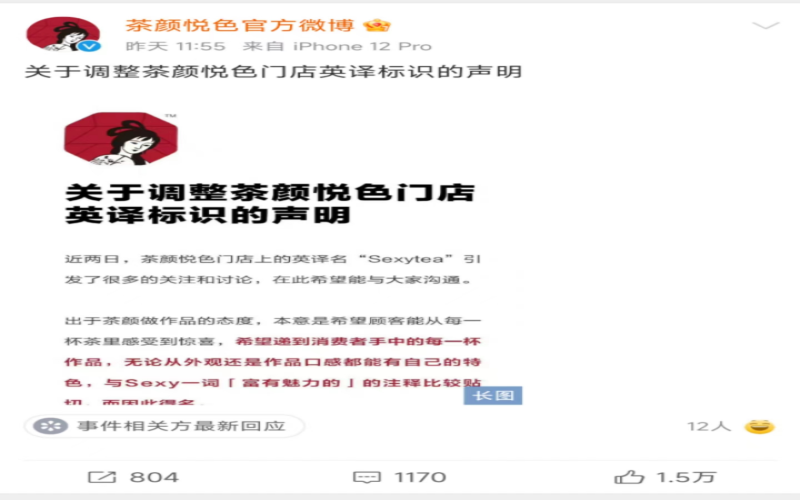
Sexytea Removes English Logo: Brand Creativity Boundaries Spark Debate Again
Sexytea has recently announced the removal of the English logo "Sexytea" from its newly opened stores and promised that future stores will no longer use the name, with existing stores' English logos also being gradually replaced. The brand explained that "Sexy" was intended to mean "charming," hoping customers would feel surprise in every cup of tea, but due to the word's multiple meanings causing controversy, they deeply apologize. The statement also mentioned that the team had discussed optimizing the English name during a mid-year review, but progress was slow, and this online discussion served as a wake-up call. Additionally, netizens dug up past incidents where Sexytea had apologized twice—once for a mug with the phrase "pick up leftovers" and once for tea bags labeled "Officer, I want it"—sparking renewed discussion about the boundaries of brand creativity. As a representative of Changsha's local guochao tea beverage scene, how Sexytea balances creativity and values is worth watching. [more…]
Tea Yan Yue Se's advertising copy sparks controversy, issues two apologies overnight—where are the boundaries of brand marketing?
Sexy Tea (Chayan Yuese) trended on social media after its advertising copy was accused of insulting women, and it issued two apology statements late on February 19 and in the early hours of February 20. The incident was triggered by the inappropriate use of Changsha slang such as "picking up scraps" on its cups, which sparked netizens' doubts about the brand's creative boundaries. The first apology failed to calm public opinion, and Sexy Tea then issued another statement, admitting that it had mishandled the boundaries in its early product creation and had removed the problematic products from sale. This controversy not only exposed the brand's missteps in using dialect slang and gender-relation jokes, but also prompted reflection on balancing marketing creativity with values. [more…]
Which country does Seesaw Coffee originate from? How many stores nationwide? Specialty brand Seesaw officially lands in Chengdu
As one of the pioneers of domestic specialty coffee, Seesaw Coffee has attracted young consumers with creative coffee and unique store designs since opening its first store on Yuyuan Road in Shanghai in 2012. Recently, the brand officially announced its entry into the Chengdu market, opening two stores simultaneously at Mofang Shopping Center and Joy City, and launching two Chengdu-exclusive creative coffees. As of now, Seesaw has 32 stores nationwide and plans to continue expanding its mini-store format. This article will review Seesaw's brand background, store distribution, product strategy, and specific information about its first Chengdu stores, while retaining relevant recommendations from Front Street Coffee, to provide coffee enthusiasts with a complete picture of the brand's developments. [more…]
From Black Coffee to Fruity Specialty Drinks: Why Is Specialty Coffee Collectively Turning into Fruit Tea?
The threshold for appreciating specialty coffee has always been high—from palate training to the investment of time and money, none can be skipped. Yet in recent years, the rise of specialty beverages, especially fruit coffee, is quietly changing this landscape. Adding fruit, sugar, alcohol, and Chinese ingredients—the boundaries of coffee have been broken time and again. Is this the degradation of specialty coffee, or an inevitable path to the mass market? This article analyzes the deep logic behind the combination of coffee and fruit from the perspectives of consumer data, industry trends, and barista competitions, and explores what professional foundation a good creative coffee should possess. Whether you are a purist who sticks to tradition or a creative beverage enthusiast who embraces innovation, this discussion about the boundaries of coffee is worth reading. [more…]
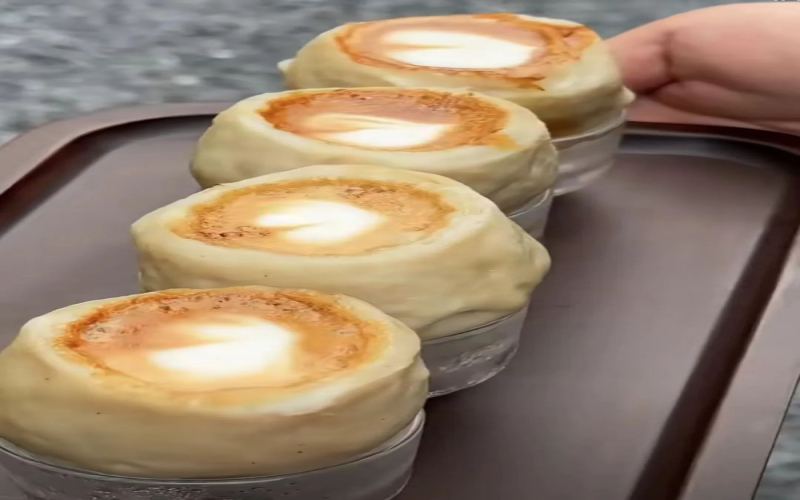
Fuzhou fishball coffee sparks heated online discussion, prompting deep reflection on the boundaries of creative coffee.
After green pepper latte trended on social media, an eye-popping Fuzhou fish ball coffee appeared. This method, which involves hollowing out fish balls, filling them with espresso, and then pouring latte art with milk, left coffee lovers and Fuzhou locals collectively speechless. In recent years, from octopus latte to century egg coffee, from coffee rice noodle rolls to green pepper latte, all kinds of bizarre creative coffees have emerged one after another. Are these drinks, which seemingly practice the idea that "anything can be coffee," an innovative exploration of coffee culture, or simply a traffic game to grab attention? When taking photos and checking in becomes the main purpose of consumption, what will become of these creative coffees? [more…]

Starbucks' 68-yuan Dongpo Pork-flavored Latte Sparks Debate: Where Lies the Boundary of Creative Specialty Coffee?
Starbucks Reserve recently launched a "Nianfeng Savory Latte" priced at 68 yuan, inspired by the traditional Jiangnan dish Dongpo braised pork, incorporating Dongpo pork-flavored sauce and pork jerky into the coffee, quickly sparking widespread discussion on social media. Some bloggers who tried it described its taste as both salty and sweet, even evoking a sense of fermented bean curd stewed pork with candied hawthorn. Netizen reviews are polarized, with some calling the idea explosive and others questioning whether such specialty drinks have strayed from the essence of coffee. This article will examine the flavor performance of this product, consumer feedback, and the industry phenomenon of creative specialty coffees becoming increasingly bizarre in recent years, while exploring the balance between coffee innovation and the essence of the beverage. [more…]
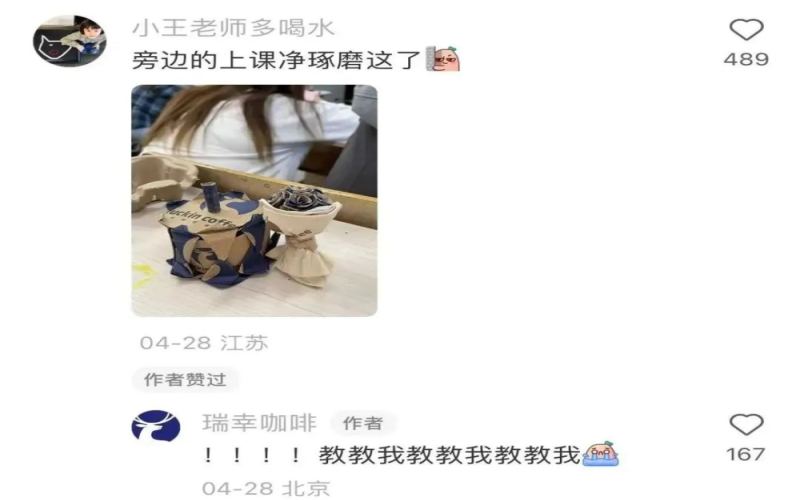
The trend of upcycling Luckin paper bags has sparked a wave of creativity, with netizens crafting free brand merchandise that has drawn official interaction.
When coffee packaging bags meet infinitely creative netizens, what kind of sparks will fly? Luckin Coffee's paper bags have recently become a new favorite among DIY enthusiasts, from simple doodles and handwriting practice to complex mini store models, all kinds of transformed works are emerging one after another. This craze has not only turned ordinary paper bags into personalized collectibles, but also attracted more than 2 million netizens to participate in the interaction, and even the official account couldn't help but like and repost. This article will take you through this creative feast triggered by paper bags, to see how consumers use their own hands to give brand packaging a second life, and what kind of marketing inspiration this spontaneous spread brings to the brand. [more…]
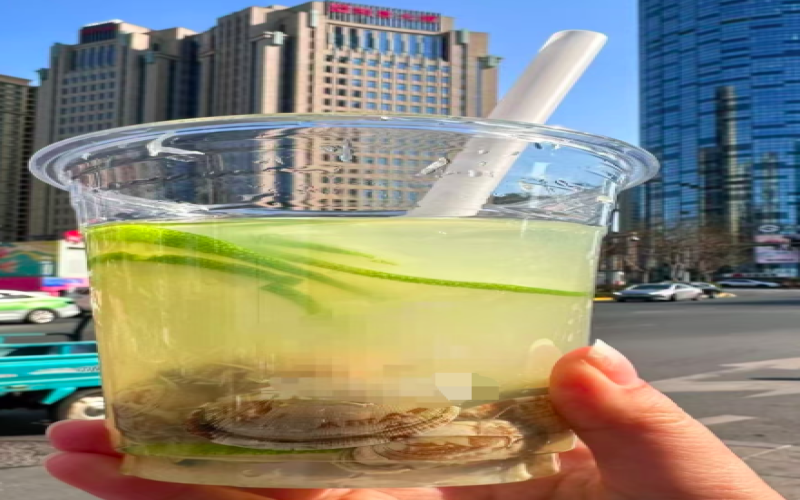
A milk tea shop in Qingdao has sparked discussion by launching clam milk tea. Can this creative drink made with clam broth be accepted by consumers?
Recently, a milk tea shop in Qingdao, Shandong launched a creative drink based on clam broth, quickly sparking widespread discussion on social media. The clam milk tea looks as clear as lemonade, with clam shells and lemon slices settled at the bottom of the cup, delivering a strong visual impact. Some people are eager to try it, some say it is hard to accept, and others have raised questions about its food safety. The store manager responded that the clam shells are only for decoration, and the drink does indeed contains broth simmered from Hongdao clams, mixed with perfume lemons and Laoshan white flower snake grass water. The product is currently still in the research, development and testing stage, and whether it will be launched in the future and how the formula will be adjusted remain to be seen. [more…]
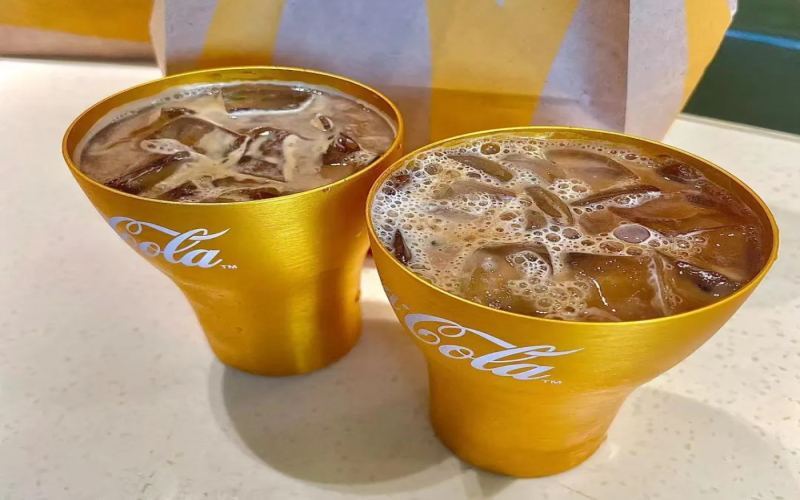
McDonald's "Gold" campaign sparks creative BYO cup ideas, netizens' wild "cheats" to join ignite discussion
McDonald's recently launched a "Gold" themed campaign, where consumers who bring their own non-disposable containers with gold elements can get a free milk coffee. Before the event even started, netizens were rummaging through their homes in search of gold containers, from gold bowls and pots to all sorts of bizarre "gold" props, with creativity flowing endlessly. This campaign not only sparked public enthusiasm for participation but also once again reinforced McDonald's "Golden Arches" brand impression. This article will take you through the quirky moves at the event and analyze how McDonald's uses "gold" marketing to play along with consumers. [more…]
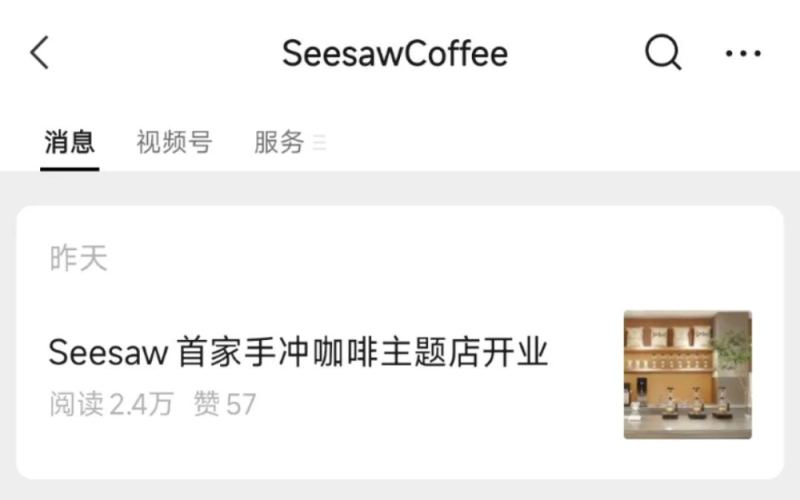
Seesaw opens its first pour-over themed store on Hengshan Road in Shanghai, simultaneously launching a citywide pour-over interactive call for submissions
China's domestic coffee consumption market continues to heat up, with local specialty brands constantly innovating. As one of the first chain brands to enter the specialty coffee arena, Seesaw Coffee recently opened its first pour-over coffee-themed store on Hengshan Road in Shanghai, and launched an online "National Pour-Over" campaign, inviting coffee lovers to share their hands-on brewing creations in any form—pour-over, French press, moka pot, AeroPress, or drip bags. Looking back at Seesaw's development path—from its first store on Yuyuan Road in 2012, to accelerating expansion after securing hundreds of millions in funding, to experimenting with Mini stores and city-inspired creative specialty drinks—the brand has always centered on experience and innovation. This article also draws on industry data to examine the growth potential and competitive landscape of China's coffee market. [more…]

Octopus Latte and Other Outlandish Coffees Keep Appearing: Creative Boundaries and Food Waste Spark Industry Reflection
The competition in the coffee industry has spiraled into astonishing territory: a wave of creative products with no logical pairing, such as octopus latte, has emerged one after another, turning netizens from initial curious experimentation to numbness and skepticism. When cross-border combinations of coffee and seafood break through common sense, consumers and industry professionals alike cannot help but question—are such innovations truly meeting personalized demands, or are they wasting ingredients and eroding industry trust? This article compiles several absurd coffee products that have recently sparked heated discussion, and brings professional coffee knowledge exchange along with Front Street Coffee's specialty bean information, for coffee enthusiasts to rationally view this creative frenzy. [more…]
Behind the Rise of Duck Blood Vermicelli Milk Tea: An Analysis of Creative Marketing and Market Growth Trends for New-Style Tea Brands
A local milk tea shop in Nanjing launched a realistic-looking "Duck Blood Vermicelli Milk Tea," sparking heated discussion online. Although the product is named after duck blood vermicelli, it is actually made with chocolate milk pudding to mimic duck blood and sweet jelly noodles to stand in for vermicelli, priced at 16 yuan. There are more than 50,000 related posts on Xiaohongshu, with netizens commenting that it "sounds bizarre but tastes surprisingly good." This phenomenon reflects the fierce competition and innovation anxiety in the new-style tea beverage market. From mini milk teas to niche fruits such as oil oranges and wampees, and on to the revival of whole-leaf tea, major brands are competing for consumers through novelty products, regionally distinctive ingredients, and traditional brewing methods. Data shows that China's freshly made tea beverage market reached 113.6 billion yuan in 2020 and is expected to reach 340 billion yuan by 2025. This article will analyze the market logic and consumer trends behind these creative marketing efforts, and also look at the moves of professional brands such as Front Street Coffee within the industry. [more…]
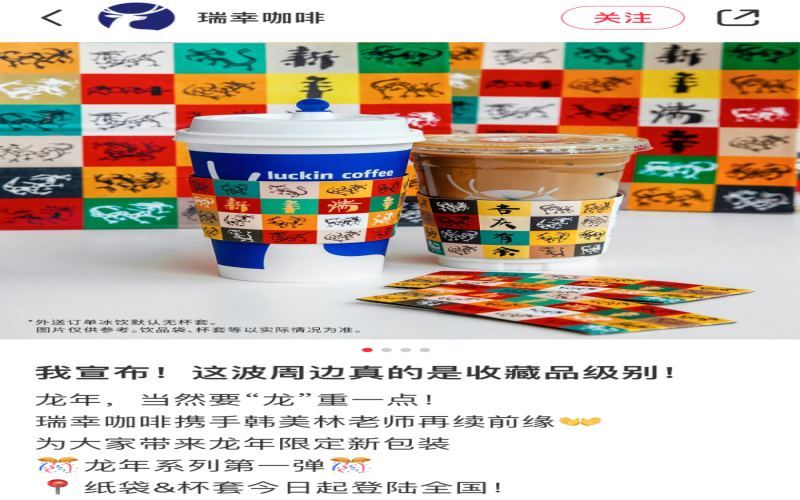
Luckin Coffee's zero-yuan merchandise ignites a crafting craze, as turning paper bags into limited-edition Year of the Dragon items becomes a new trend.
Co-branding between chain brands has long become commonplace, yet Luckin Coffee's frequent moves in co-branded marketing still turn heads. From cross-industry collaborations to routine co-branding, Luckin has consistently demonstrated keen market instincts and creative capabilities. On January 22, Luckin joined hands with artist Han Meilin for a second time to launch Year of the Dragon limited-edition co-branded merchandise, with paper bags and cup sleeves rolling out nationwide. Subsequently, Luckin officially launched the call "Every generation has its own merch makeover frenzy" on Xiaohongshu, sparking a creative carnival among Luckin's craftspeople. From pen holders and picture frames to oracle bone script mahjong and Chinese-style oil-paper umbrellas, netizens transformed free merchandise into works of art brimming with ingenuity. This article will take you through the highlights of this zero-cost DIY merch craze, letting you feel the creative vitality that comes from brand-consumer interaction. [more…]
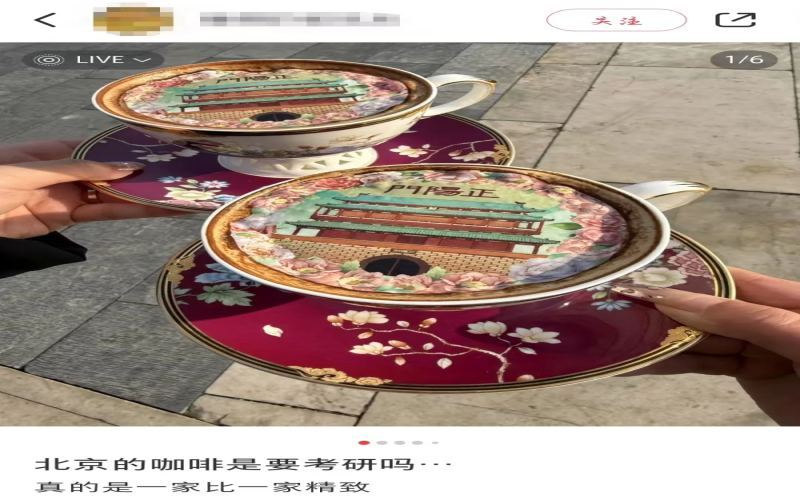
Colorful latte art has gone viral on social networks—edible printed rice paper: creative innovation or gimmick? Coffee lovers are divided.
Recently, a latte decorated with an image of the Zhengyangmen Gate Tower in Beijing sparked heated discussion on social media. The exquisite edible color-ink printing amazed many netizens with the café's ingenuity, but some also frowned at the colorful design on the surface of the liquid. What materials are actually used to make this type of color-printed coffee, jokingly called "graduate-exam level"? Does it add brilliance to the drink, or has it become a photogenic prop that looks good but is useless? Judging from shares by coffee lovers in various places, printing scenic spots, portraits, or brand logos on the surface of lattes is already nothing new, yet controversy over its taste and food safety has never ceased. This article will guide you through the production principles behind this visually stunning coffee, as well as consumers' true attitudes of love and hate toward it. [more…]
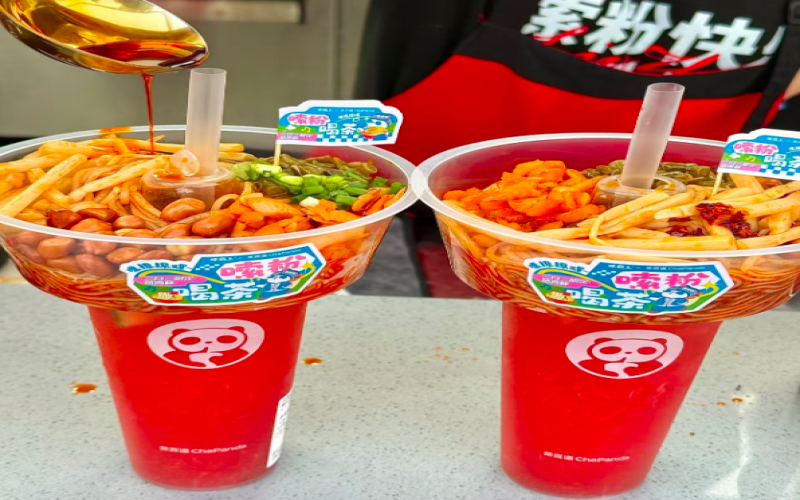
ChaPanda Collaborates with Luo Ba Wang to Launch Luosifen Milk Tea, Creative Combo Sparks Heated Discussion
Recently, ChaPanda teamed up with the local luosifen brand Luo Ba Wang in Guangxi to launch a limited-edition drink called the "Spring Outing Cup," combining a tea beverage and luosifen in the same takeaway cup, quickly sparking heated discussion online. Some people immediately called it a "dark crossover," while others were curious enough to go and try it. In fact, this product uses a top-and-bottom divided packaging structure, and the luosifen is not mixed with the tea beverage, allowing consumers to slurp noodles while drinking milk tea. However, this pairing has also brought considerable controversy, including issues such as stomach irritation, flavor transfer, and a worsened taste. This article will provide a detailed analysis of the creativity, experience, and evaluations from all sides regarding this novelty crossover drink. [more…]
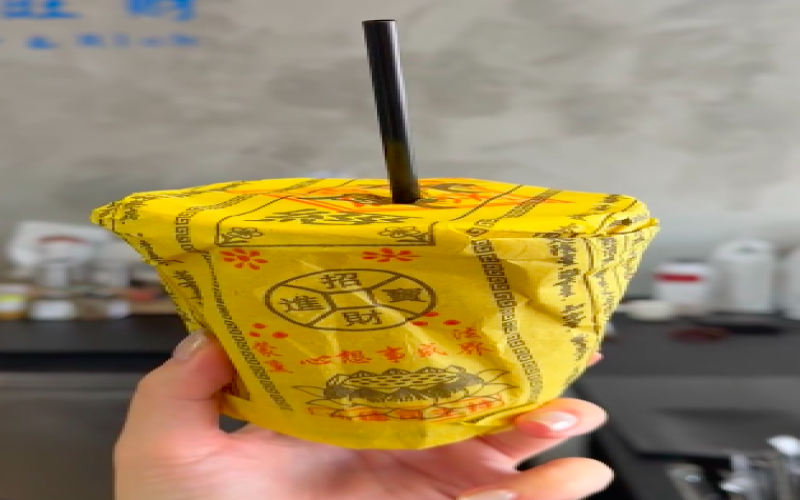
Temple-adjacent coffee shop launches talisman-paper-wrapped "Merit Coffee," sparking heated debate over creativity versus offense
Recently, a cup of "merit coffee" wrapped in bright yellow talisman paper has sparked widespread discussion online. This coffee shop, located near a temple, uses talisman paper handwritten daily by monks for its drink packaging, and donates a portion of the proceeds to the temple for every cup sold. Supporters see it as highly creative and emotionally resonant, while opponents worry that it commercializes religion and shows disrespect for faith. In recent years, young people have been enthusiastic about burning incense and making wishes, and businesses have seized on concepts like "merit" and "go with the flow" to attract attention. But the combination of trendy drinks and religion has repeatedly pushed against the boundaries of controversy. This article sorts out the sequence of events and explores whether this kind of marketing can retain customers in the long run. [more…]

OATLY oat milk moves from the streets of Paris to painting walls in rural China, creative marketing sparks polarized debate among netizens
OATLY, an oat milk brand well known among coffee lovers, previously drew attention with graffiti advertisements on the streets of Paris, France. Recently, the brand shifted its marketing focus to rural China, launching a Spring Festival advertising short film themed "painting walls at the village entrance," spray-painting internet memes and warm copy urging people to go home onto red brick and earthen walls. This move sparked sharply divided reactions among netizens: some were deeply touched, believing it was more heartfelt than big city screens; others questioned the ad's limited reach, its weak connection to the product, and the difficulty of its pricing appealing to the target audience. This article reviews the creative highlights and points of controversy in this marketing campaign, and explores its market effects. [more…]